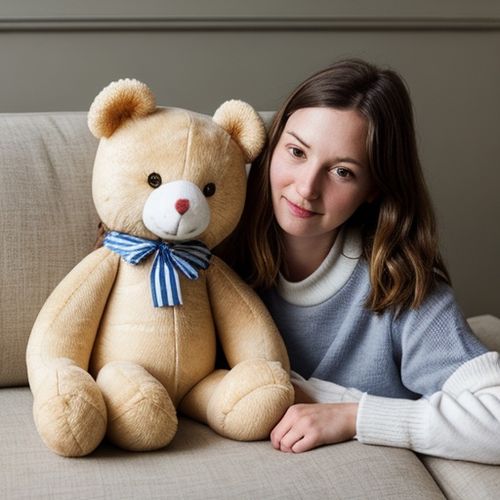
In a world that often feels uncertain and fast-paced, it’s no surprise that many adults are turning to the simple comforts of childhood. Over 20% of plush toys were purchased by adults in 2024, according to sales data, with a notable increase in interest since the Covid-19 pandemic. This trend is more than just a nostalgic throwback; it’s a testament to the enduring power of stuffed animals to provide comfort, connection, and even therapeutic benefits.
The Rise of Plush Comfort During Uncertain Times
The Covid-19 pandemic brought unprecedented levels of stress and isolation to people around the world. During this challenging period, many adults found solace in the familiar comforts of stuffed animals. According to Juli Lennett, a US toys industry adviser at Circana, a market research and technology company in Chicago, 21% of plush toys sold in 2024 were purchased by adults over 18. Stuffed animals “struck a chord with young adults and adults as a means to entertain, collect, and provide comfort during the pandemic,” Lennett explained.
Even Build-A-Bear, a company known for its customizable stuffed animals, has recognized this trend by dedicating an entire section of its website to products for grown-ups. A survey commissioned by the company found that more than half of people held on to a childhood stuffed animal, and about 40% said they sleep with a plush toy. These statistics highlight the deep emotional connection many adults have with their stuffed animals.
The Psychological Benefits of Stuffed Animals
For many, stuffed animals are more than just toys; they are sources of comfort and companionship. Dr. Jade Wu, a sleep psychologist and founder of Thrive Sleep Clinic in Durham, North Carolina, suggests that the increased interest in stuffed animals might be a response to the uncertainty of modern life. “I wonder if people are seeking more comfort in the face of uncertainty,” she said. For those living alone, having something to cuddle with at night can provide a sense of security and companionship.
Mental health professionals have long recognized the therapeutic value of stuffed animals. Dr. Jessica Lamar, a mental health therapist in Seattle, uses stuffed animals with adults who are working through childhood trauma. She explains that patients often create a bear to represent their inner child or a younger version of themselves, allowing them to heal past traumas by providing the comfort and compassion they may have lacked in childhood. This process can be incredibly beneficial for mental health and emotional well-being.
The Evolutionary Need for Comfort
The need for comfort and social contact is deeply rooted in our evolutionary history. Dr. Barbara Greenberg, a clinical psychologist in Weston, Connecticut, notes that using a stuffed animal to feel better can be a healthy form of self-soothing. “This is one of the ways to self-soothe. We take something like an animal into our bed; it’s comforting,” she said. This practice can also serve as a positive model for children, teaching them how to self-regulate and self-soothe from a young age.
Dr. Wu adds that stuffed animals might fulfill an evolutionary need for feeling safe during sleep. “We evolved to live in tribes and to have a village,” she said. “We sleep the best when we feel safe, so when we’re feeling vulnerable … then we want that bodily contact.” Social sleeping makes us feel more secure and sleep better, and a stuffed animal can serve as a comforting substitute.
The Role of Nostalgia and Connection
Stuffed animals can also provide a sense of nostalgia and connection to childhood memories. Max Genecov, a doctoral candidate in clinical psychology at the University of Pennsylvania and a stuffed animal owner, explains that his plush toys are more than just objects. “I’ve always had them growing up, I had a big fantasy life with them (as a child),” he said. “I just think that they’re nice things you have.” Genecov still sometimes hugs a stuffed animal or uses one as a pillow when he sleeps, highlighting the enduring appeal of these soft companions.
Dr. Lamar agrees that stuffed animals can provide a connection to family or friends who are far away. “It can be very cozy, relaxing, and nice,” she said. “There’s no reason why adults can’t have the benefits that kids get.” In fact, maintaining a connection to one’s childhood through cherished objects like stuffed animals can be a healthy part of adult life.
The Importance of Self-Soothing and Healthy Coping Mechanisms
In a world where stress and anxiety are common, finding healthy ways to cope is essential. Mental health professionals note that using stuffed animals for stress relief is a much better alternative than turning to substances like alcohol or medication. Dr. Greenberg emphasizes that if a stuffed animal helps with stress, it’s a positive choice. “It hurts nobody,” she said.
Moreover, the tactile and sensory experience of cuddling with a stuffed animal can have a calming effect on the mind and body. Some stuffed animals are even weighted to provide extra pressure, which can help to calm the mind and improve sleep. Dr. Wu explains that the feeling, smell, and sight of a stuffed animal can signal to the brain that it’s time to wind down, making it easier to fall asleep.
Embracing the Comfort of Childhood
The trend of adults purchasing and using stuffed animals is a heartwarming reminder that comfort and connection are timeless needs. Whether used to process childhood trauma, provide a sense of security at night, or simply offer a touch of nostalgia, stuffed animals can play a valuable role in adult life. As mental health professionals and researchers continue to explore the benefits of these plush companions, it’s clear that there’s no shame in seeking comfort from the simple joys of childhood. In fact, doing so can be a healthy and positive choice for both mental and physical well-being. So, if you find yourself reaching for a stuffed animal at night, embrace the comfort it brings—it might just be the key to a better night’s sleep and a happier, healthier life.
By James Moore/Apr 1, 2025

By Emily Johnson/Apr 1, 2025

By Emma Thompson/Apr 1, 2025
By Rebecca Stewart/Apr 1, 2025

By Natalie Campbell/Apr 1, 2025

By James Moore/Apr 1, 2025

By Noah Bell/Apr 1, 2025

By Laura Wilson/Apr 1, 2025

By William Miller/Apr 1, 2025
By Benjamin Evans/Apr 1, 2025

By Emily Johnson/Mar 29, 2025

By Olivia Reed/Mar 29, 2025

By Benjamin Evans/Mar 29, 2025
By Jessica Lee/Mar 29, 2025

By Benjamin Evans/Mar 29, 2025
By Noah Bell/Mar 29, 2025

By Emily Johnson/Mar 29, 2025

By Grace Cox/Mar 29, 2025

By Megan Clark/Mar 29, 2025

By Sophia Lewis/Mar 29, 2025