Israel's Non-Invasive Glucose Monitoring Wristband: Technological Breakthrough

Mar 29, 2025 By Sophia Lewis

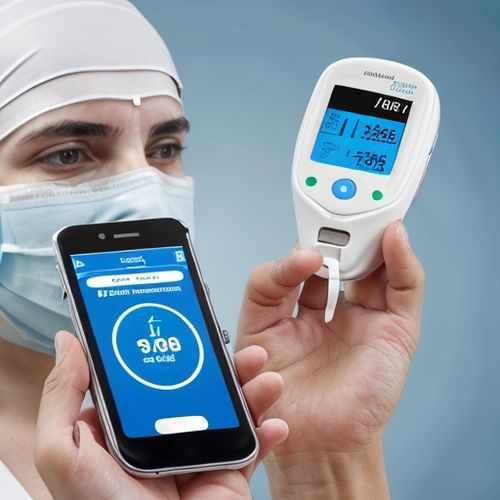
Israeli medical technology has achieved a significant milestone with the development of an advanced non-invasive glucose monitoring wristband. This innovation promises to transform diabetes management by eliminating the need for routine finger-prick blood tests while providing continuous glucose data.


Core Technology
The device utilizes multi-spectral optical sensors combined with advanced algorithms to measure blood glucose levels through the skin. Proprietary light-based technology analyzes subtle changes in dermal interstitial fluid composition without penetrating the skin barrier. Machine learning components continuously refine accuracy by correlating optical data with physiological patterns.


Clinical Validation
Preliminary trials demonstrate measurement accuracy comparable to conventional glucometers within clinically acceptable margins. The technology has shown particular reliability in detecting glucose trends and fluctuation patterns, crucial for diabetes management. Ongoing studies are evaluating performance across diverse demographic groups and physiological conditions.


User Experience
The wristband design emphasizes comfort and continuous wearability for 24/7 monitoring. A companion mobile application displays real-time glucose readings with trend analysis and customizable alerts. The system requires no consumables or replacement parts, significantly reducing long-term management costs compared to traditional methods.


Data Integration
The platform seamlessly connects with electronic health records and diabetes management systems. Cloud-based analytics provide healthcare professionals with comprehensive glycemic control assessments. The technology supports remote monitoring capabilities for pediatric and elderly patients requiring caregiver oversight.


Regulatory Status
The device has received preliminary regulatory approvals in several markets with ongoing reviews in major medical jurisdictions. Certification processes are evaluating the technology's classification as a medical-grade monitoring tool rather than wellness product. Compliance with stringent data protection regulations has been incorporated into the system architecture.


Manufacturing Scale-Up
Production facilities have implemented precision optical component manufacturing with rigorous quality control protocols. The supply chain has been optimized to ensure consistent sensor calibration across mass-produced units. Scalability plans anticipate growing global demand for non-invasive diabetes technologies.


Clinical Applications
Beyond routine glucose monitoring, the technology shows potential for detecting prediabetic conditions through continuous metabolic profiling. Researchers are investigating applications in gestational diabetes management and intensive care settings where frequent glucose monitoring is critical.


Comparative Advantages
The non-invasive approach addresses key limitations of current systems including pain, infection risk, and intermittent data collection. Continuous monitoring provides more complete glycemic pictures than periodic fingerstick measurements. The technology eliminates disposable waste associated with conventional test strips.


Technical Challenges
Development has overcome obstacles related to motion artifacts, skin tone variations, and environmental interference. Ongoing refinements aim to improve performance during physical activity and in extreme temperature conditions. The engineering team continues to enhance sensor longevity and power efficiency.


Market Impact
The innovation is positioned to disrupt the global glucose monitoring market valued at billions annually. Health economists project significant long-term savings for healthcare systems through reduced complications and hospitalizations. The technology may improve diabetes management adherence by removing testing discomfort barriers.


Future Development
Next-generation prototypes are exploring additional metabolic parameter measurements. Research partnerships are investigating artificial pancreas system integration possibilities. Planned enhancements include predictive hypoglycemia alerts using advanced pattern recognition algorithms.


Israel's non-invasive glucose monitoring technology represents a paradigm shift in diabetes care, combining cutting-edge optical engineering with sophisticated data analytics. As clinical validation progresses and regulatory approvals expand, this innovation promises to improve quality of life for millions managing diabetes worldwide. The technology underscores Israel's growing leadership in medical device innovation while addressing a critical global health challenge. Its successful implementation could establish new standards for chronic disease monitoring technologies across healthcare systems.



Recommend Posts
Health

The Surprising Science of Socks and Sleep: How Warming Your Feet Can Cool You Down

By James Moore/Apr 1, 2025

When it comes to improving sleep quality, many people turn to traditional methods like reducing screen time, creating a relaxing bedtime routine, or even trying sleep aids. However, a surprising and somewhat counterintuitive approach has been gaining attention in the world of sleep science: wearing socks to bed. According to Michelle Drerup, a behavioral sleep disorders specialist and director of the Sleep Disorders Center at Cleveland Clinic, this simple strategy could significantly enhance your chances of falling asleep faster and enjoying a deeper, more restful night’s sleep.
Health

The Struggle of Being Awake When You Should Be Asleep: Understanding and Overcoming Sleep Issues

By Emily Johnson/Apr 1, 2025

If you find yourself dragging yourself out of bed in the morning, promising to go to bed earlier that night, only to find yourself wide awake when bedtime rolls around, you’re not alone. This frustrating cycle is a common complaint among many people, especially teenagers. Dr. Sonja Schütz, a neurologist specializing in sleep medicine, explains that this issue is not a sign of laziness but rather an indication of underlying sleep problems such as poor sleep hygiene, disturbed sleep, or even an underlying sleep disorder.
Health

The Crucial Role of Deep Sleep in Preventing Cognitive Decline

By Emma Thompson/Apr 1, 2025

In the quest for a healthier, more vibrant life, one often-overlooked aspect is the profound impact of sleep on our cognitive health. A groundbreaking new study has revealed that insufficient time spent in the deep stages of sleep—specifically slow-wave and rapid eye movement (REM) sleep—may accelerate the deterioration of brain regions associated with Alzheimer’s disease. This discovery underscores the critical importance of prioritizing quality sleep as a preventive measure against cognitive decline.
Health

The Comforting Power of Stuffed Animals: A Grown-Up Trend

By Rebecca Stewart/Apr 1, 2025

In a world that often feels uncertain and fast-paced, it’s no surprise that many adults are turning to the simple comforts of childhood. Over 20% of plush toys were purchased by adults in 2024, according to sales data, with a notable increase in interest since the Covid-19 pandemic. This trend is more than just a nostalgic throwback; it’s a testament to the enduring power of stuffed animals to provide comfort, connection, and even therapeutic benefits.
Health

The US Department of Health and Human Services’ Workforce Reduction: A Step Forward or Backward for Public Health?

By Natalie Campbell/Apr 1, 2025

On March 27, 2025, the US Department of Health and Human Services (HHS) announced a significant restructuring plan that includes cutting 10,000 full-time employees across various health agencies. This move follows the voluntary departure of another 10,000 employees, reducing the workforce from approximately 82,000 to 62,000. Additionally, around 5,200 probationary workers, who were terminated last month, are not included in this latest announcement. The cuts are part of a broader reorganization that aims to consolidate the department’s divisions from 28 to 15 and reduce regional offices from 10 to five. HHS Secretary Robert F. Kennedy Jr. claims these changes will save $1.8 billion annually.
Health

The Controversial Fluoride Ban in Utah: A Public Health Setback?

By James Moore/Apr 1, 2025

In a landmark move that has sparked intense debate, Utah has become the first U.S. state to ban the addition of fluoride to public drinking water. This decision, signed into law by Republican Governor Spencer Cox on March 27, 2025, and set to take effect on May 7, has been met with significant opposition from dentists and national health organizations. These groups argue that the ban will lead to widespread medical problems, particularly among low-income communities that rely on fluoridated water as a crucial source of preventive dental care.
Health

The Hidden Manipulations of Social Media: Lessons from Mind Control and Brainwashing

By Noah Bell/Apr 1, 2025

In the digital age, where social media platforms have become an integral part of daily life, a surprising parallel has emerged. According to Rebecca Lemov, a historian of science at Harvard University and author of the book "The Instability of Truth: Brainwashing, Mind Control, and Hyper-Persuasion," modern social media users share more in common with American soldiers who were brainwashed during their time as prisoners of war in North Korea than one might initially think. This assertion, while seemingly far-fetched, is rooted in the understanding of psychological manipulation and its profound effects on human behavior.
Health

The Looming Crisis of Tuberculosis: A Global Health Emergency Amplified by Funding Cuts

By Laura Wilson/Apr 1, 2025

In the shadows of global health challenges, tuberculosis (TB) remains a formidable adversary. Despite being a treatable and preventable disease, TB continues to claim lives at an alarming rate. According to the World Health Organization (WHO), TB caused 1.25 million deaths worldwide in 2023. This bacterial infection, primarily found in the lungs, is the world’s leading infectious killer. Yet, the fight against TB is now facing a severe setback due to the sudden funding cuts by the Trump administration, which has frozen and subsequently reduced vast swathes of aid from the United States Agency for International Development (USAID).
Health

The Hidden Health Costs of Job Loss: Navigating the Economic and Psychological Turmoil

By William Miller/Apr 1, 2025

In the grand tapestry of American life, the threads of economic stability and personal well-being are intricately woven. When those threads are severed by job loss, the resulting unraveling can be both financially and emotionally devastating. The recent actions of the Trump administration, which saw the firing and furloughing of tens of thousands of federal workers and contractors, have cast a long shadow over the lives of those employed in national parks, research labs, and numerous government agencies. As a professor of social work with a focus on the intersection of financial stress and health, I am deeply concerned about the far-reaching health hazards that these individuals may face.
Health

The Double-Edged Sword of AI in Healthcare: Embracing Innovation While Guarding Against Pitfalls

By Benjamin Evans/Apr 1, 2025

In the labyrinthine corridors of modern medicine, a new force has emerged, casting both light and shadow on the path to better healthcare. Artificial intelligence (AI) is no longer a futuristic concept; it is a burgeoning reality that is reshaping the way we diagnose, treat, and manage our health. Yet, as with any powerful tool, its application is fraught with both immense potential and significant peril. This essay aims to delve into the multifaceted role of AI in healthcare, exploring its benefits, addressing its concerns, and charting a cautious yet hopeful course forward.
Health

Japan's Shokuiku Policy Framework for Childhood Obesity Prevention

By Emily Johnson/Mar 29, 2025

Japan's national Shokuiku (food education) initiative represents a comprehensive legislative approach to addressing childhood nutrition and obesity prevention. Implemented through the Basic Law on Shokuiku, this program establishes mandatory nutrition education standards integrated across school curricula and community programs.
Health

Innovative Vaccination Strategies for Children in Brazilian Favelas

By Olivia Reed/Mar 29, 2025

Brazil has implemented groundbreaking approaches to improve pediatric vaccination coverage in urban informal settlements. These initiatives combine mobile healthcare delivery, community engagement, and digital tracking systems to overcome structural barriers in underserved communities.
Health

Association Between Screen Time and Myopia Prevalence in UK Children: Research Analysis

By Benjamin Evans/Mar 29, 2025

Recent epidemiological studies in the United Kingdom have investigated the potential correlation between increased digital screen exposure and rising myopia rates among school-aged children. This research addresses growing public health concerns about the ocular health implications of modern digital lifestyles.
Health

Nutritional Policy Analysis: Norway's National School Meal Program

By Jessica Lee/Mar 29, 2025

Norway's implementation of a universal free school lunch program marks a significant development in public health nutrition policy. This nationwide initiative reflects a comprehensive approach to child health, combining nutritional science with educational and social welfare objectives.
Health

Impact of India's Tax Exemption Policy on Menstrual Hygiene Products

By Benjamin Evans/Mar 29, 2025

India's landmark decision to eliminate taxation on sanitary products represents a significant public health intervention aimed at improving menstrual hygiene management. The 2018 policy shift removed the controversial 12% Goods and Services Tax (GST) on sanitary pads and tampons, addressing both economic and gender equity concerns in menstrual health access.
Health

Updated Guidelines on Menopausal Hormone Therapy in the United States: Key Recommendations

By Noah Bell/Mar 29, 2025

The American College of Obstetricians and Gynecologists (ACOG) and the North American Menopause Society (NAMS) have released updated clinical guidelines on menopausal hormone therapy (MHT). These evidence-based recommendations refine treatment protocols for symptom management and long-term health considerations during menopause transition and postmenopause.
Health

Strategies for Reducing Maternal and Child Mortality in Rural Kenya

By Emily Johnson/Mar 29, 2025

Kenya has implemented targeted interventions to address persistently high maternal and child mortality rates in rural regions. These measures combine healthcare infrastructure improvements, community-based initiatives, and policy reforms to enhance access to essential medical services. The integrated approach reflects Kenya's commitment to achieving Sustainable Development Goals for maternal and child health.
Health

Iceland's Workplace Health Equity Act for Women: Legislative Analysis

By Grace Cox/Mar 29, 2025

Iceland has established comprehensive legislation addressing gender-specific health considerations in occupational environments. The Workplace Health Equity Act represents a progressive approach to integrating biological and physiological factors into labor protections, setting new standards for gender-inclusive workplace policies.
Health

France's Mandatory Postpartum Depression Screening Policy: A Comprehensive Analysis

By Megan Clark/Mar 29, 2025

France has implemented a nationwide mandatory screening program for postpartum depression (PPD), positioning itself as a leader in maternal mental healthcare. This policy requires systematic evaluation of new mothers during postnatal consultations, aiming to improve early detection and intervention rates. The initiative reflects growing recognition of PPD as a significant public health concern with far-reaching consequences for maternal and child wellbeing.
Health

Israel's Non-Invasive Glucose Monitoring Wristband: Technological Breakthrough

By Sophia Lewis/Mar 29, 2025

Israeli medical technology has achieved a significant milestone with the development of an advanced non-invasive glucose monitoring wristband. This innovation promises to transform diabetes management by eliminating the need for routine finger-prick blood tests while providing continuous glucose data.